Tow
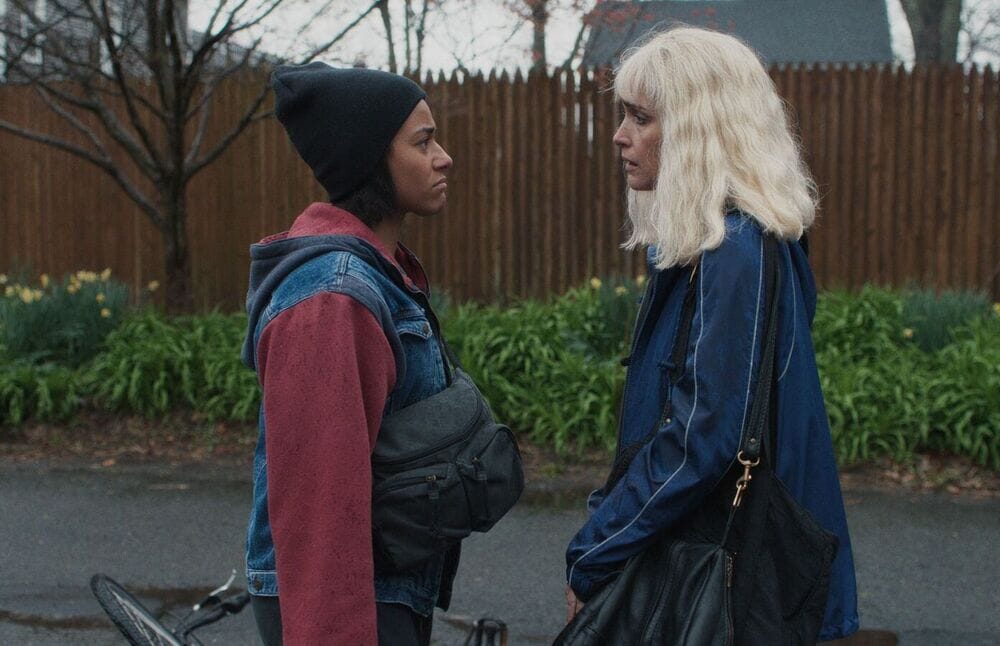
Ariana DeBose and Rose Byrne star in TOW. (Photo: Roadside Attractions)
For some people, having a beat-up 1991 Toyota Camry hauled away might not seem like a big deal. Perhaps it’s even a blessing in disguise.
That’s not the case, however, for the homeless protagonist in Tow, a compassionate true-life drama of blue-collar resilience against corporate greed and bureaucratic injustice that tugs at the heartstrings without turning heavy-handed.
It’s driven by a ferocious performance by Rose Byrne (If I Had Legs I’d Kick You) as Amanda, a struggling single mother in Seattle for whom her car is her only source of shelter, her only lifeline to normalcy, and her only pathway to a fresh start.
The opening scene tells us two main things — that her life is in shambles, and she loves to wear pink. One is more significant than the other regarding her downtrodden circumstances, partially due to self-inflicted hardships such as alcoholism and broken relationships. She’s ashamed of telling her daughter (Elsie Fisher) the full truth.
She’s also feisty and outspoken, which works both to her benefit and her detriment after her car is stolen while she’s interviewing for a job, then later impounded by an opportunistic towing company who essentially holds it for ransom. The outrageous bill is more than $20,000, and she can’t pay.
Without basic provisions, she takes up residence at a women’s shelter where her fellow residents (played colorfully by Ariana DeBose and Demi Lovato) are more forgiving than the stern overseer (Octavia Spencer). Amanda also finds an inexperienced lawyer (Dominic Sessa) willing to take the case pro bono, but it’s a protracted uphill battle.
Byrne’s richly textured portrayal balances Amanda’s optimism and determination with her stubbornness and reckless impulses.
Even as the screenplay veers into melodrama, it indulges the inherent absurdity of the situation, which lightens the mood. Tow is too eager to downplay Amanda’s flaws and poor decisions, replacing them with sardonic quips to artificially inflate sympathy.
More genuine emotional potency stems from the underlying frustration we share with the way Amanda is bullied through a gauntlet of legal loopholes, corruption and red tape, callous insensitivity, and blissful ignorance. At the very least, she deserves to be treated with dignity and basic human decency.
As directed by Stephanie Laing (Irreplaceable You), the film overcomes some mild contrivances by adopting Amanda’s scrappy underdog mindset, and bringing us along for the ride.
Rated R, 105 minutes.