28 Years Later: The Bone Temple
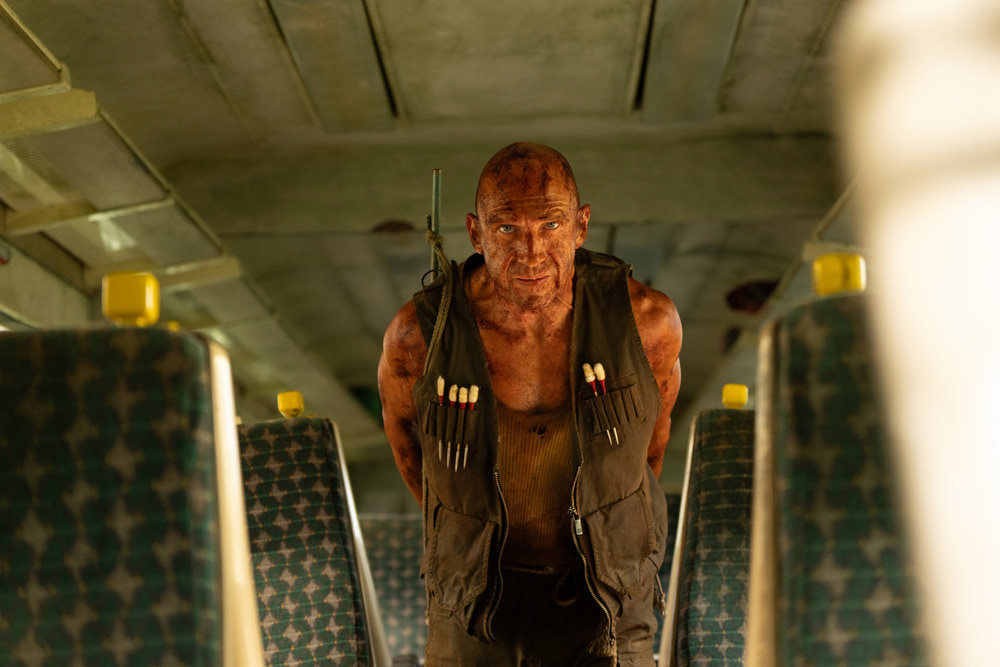
Ralph Fiennes stars in 28 YEARS LATER: THE BONE TEMPLE. (Photo: Columbia Pictures)
Zombies represent only a small fraction of the danger in 28 Years Later: The Bone Temple, in which human survivors are the real predators.
Immersing us back into the beauty and brutality of its dystopian setting from 28 Years Later and its franchise predecessors, this latest chapter deserves credit for taking the material in a weirdly unexpected direction, and for admirably attempting to blend gore with pathos.
However, in a broader narrative sense, this stylish installment from director Nia DaCosta (Hedda) is an inconsequential sidebar that serves to bridge Danny Boyle’s prior film with another forthcoming sequel — as it transparently teases.
Whereas most films have a beginning and an end, this one seems like it’s just picking up and leaving off, as if the best parts of the story are either in the past or future. In that sense, it’s strictly for established fans, while outsiders will feel shortchanged.
The film resolves the cliffhanger from the previous film, with resourceful young Spike (Alfie Williams) being abducted by ruthless gang leader Jimmy (Jack O’Connell) and his adolescent scavengers who violently prey on the uninfected in post-apocalyptic Britain with a survival-of-the-fittest mindset.
We also revisit Kelton (Ralph Fiennes), an enigmatic doctor who cautiously carves out a solitary existence. We learn details about his past and his love for Duran Duran songs before showing his humanity and forging a friendship that could alter the future.
Even so, the chances of long-term prosperity remain bleak for Spike, Kelton, and everyone else when threats come not only from the undead but also the living.
While varying the tone, the film deepens the ambitious commitment of the post-apocalyptic 28 Years Later films to provide a contemplative and character-driven approach to zombie horror.
Returning screenwriter Alex Garland offers significantly more talk than action while ruminating thoughtfully on coexistence and civilization, and the result is sometimes tedious instead of thrilling.
Still, the subdued approach makes the outbursts of savagery more visceral, from Jimmy’s diabolical gamesmanship to a wonderfully anarchic sequence involving pyrotechnics (and Iron Maiden) that ties the two subplots together.
If Marketing 101 is to leave them wanting more, then the campaign success of The Bone Temple will be measured more by its apparent successor. This episode is functional yet hardly essential.
Rated R, 109 minutes.